CHANDRAN
Work

Systems, studies, and
interfaces for autonomy.

These are not meant to read as a generic project grid. They are receipts for a direction: real robots under physical constraints, embodied AI policies that need observability and steering handles, and interfaces that help humans understand complex systems.

2026

Alpine Valley: Berry-Harvesting VLA

Founder in Residence / Latent Robotics

Building an agri-robotics company led me to the deeper problem: controllable embodied AI.

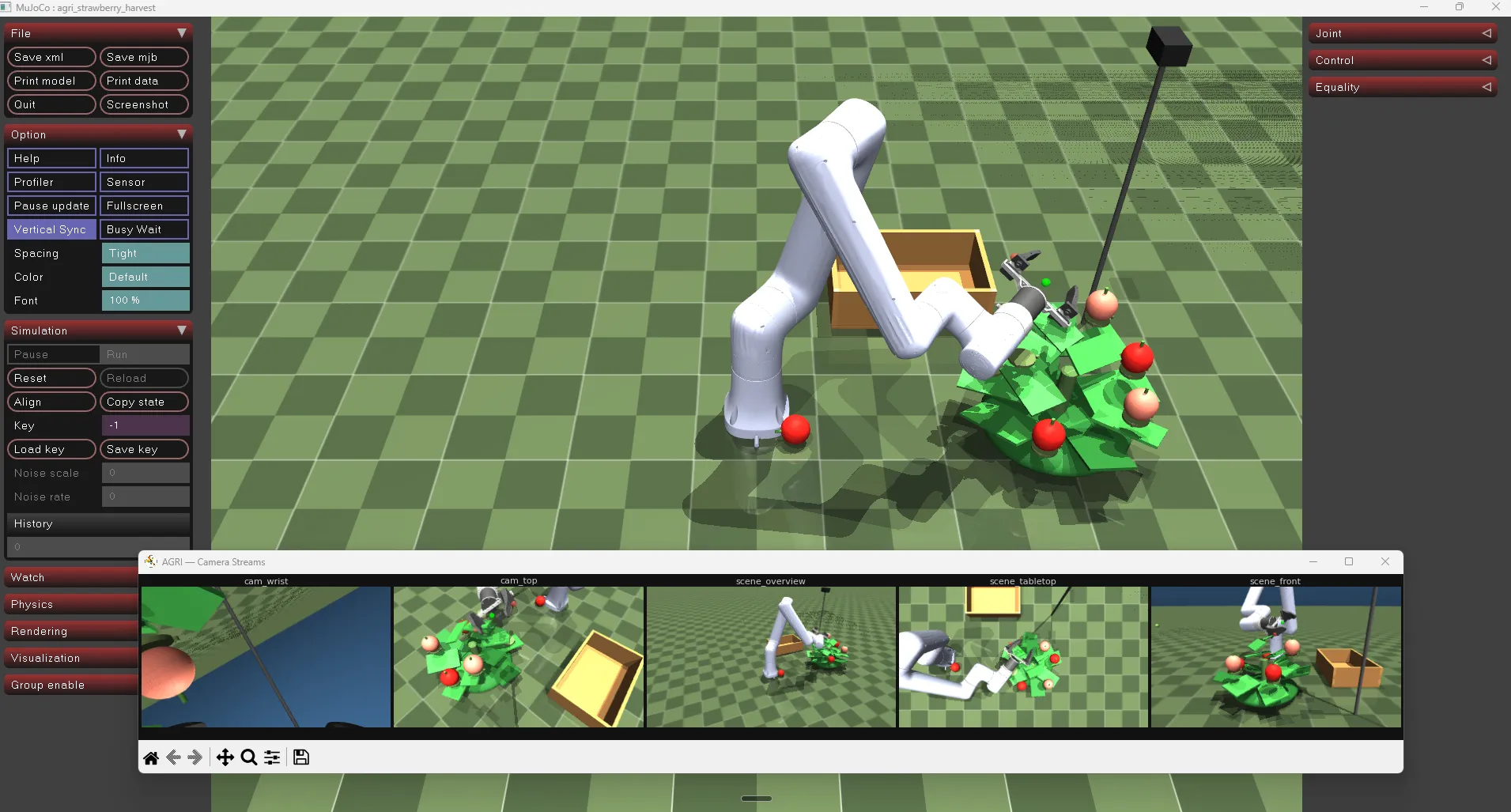
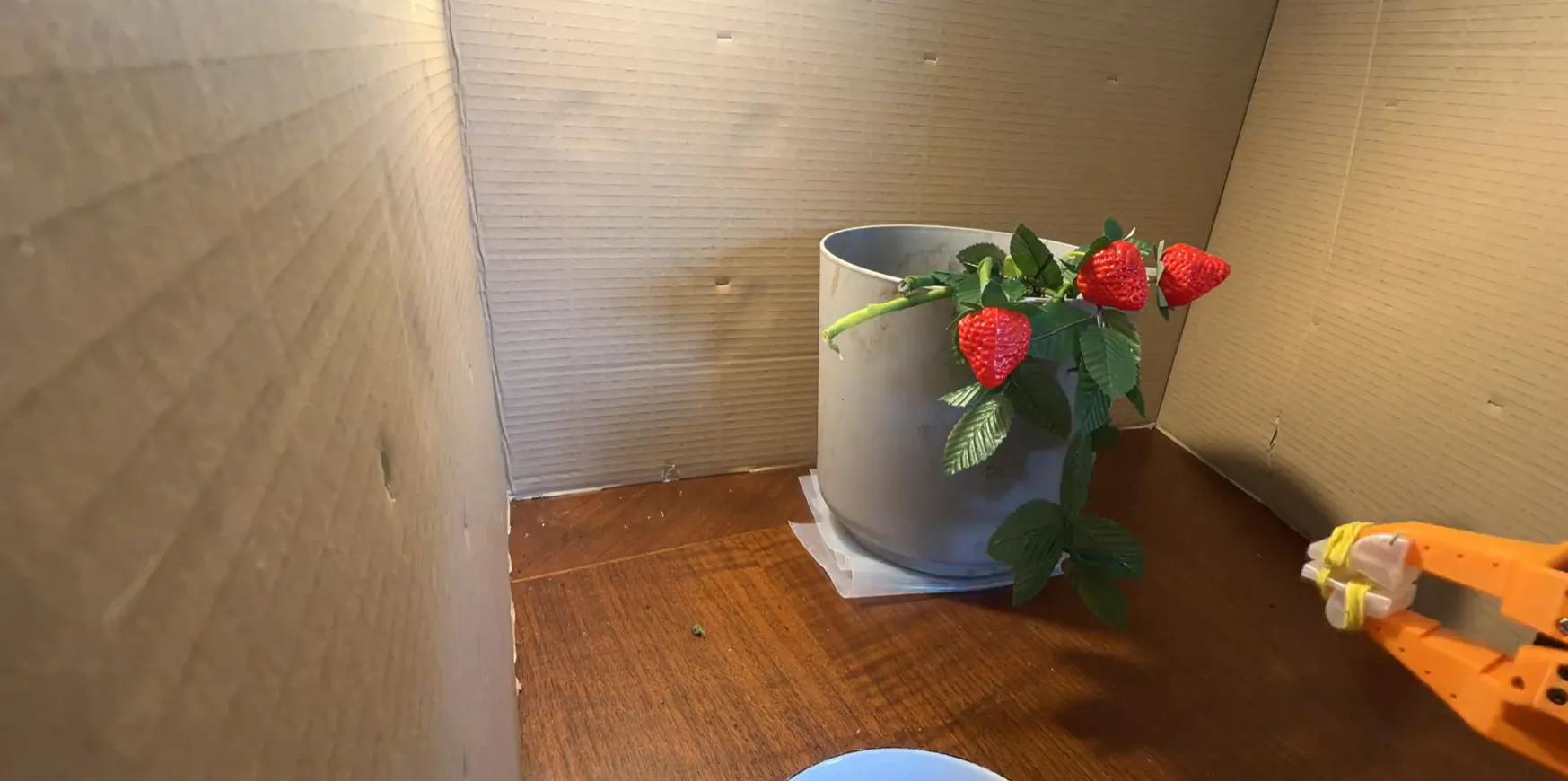
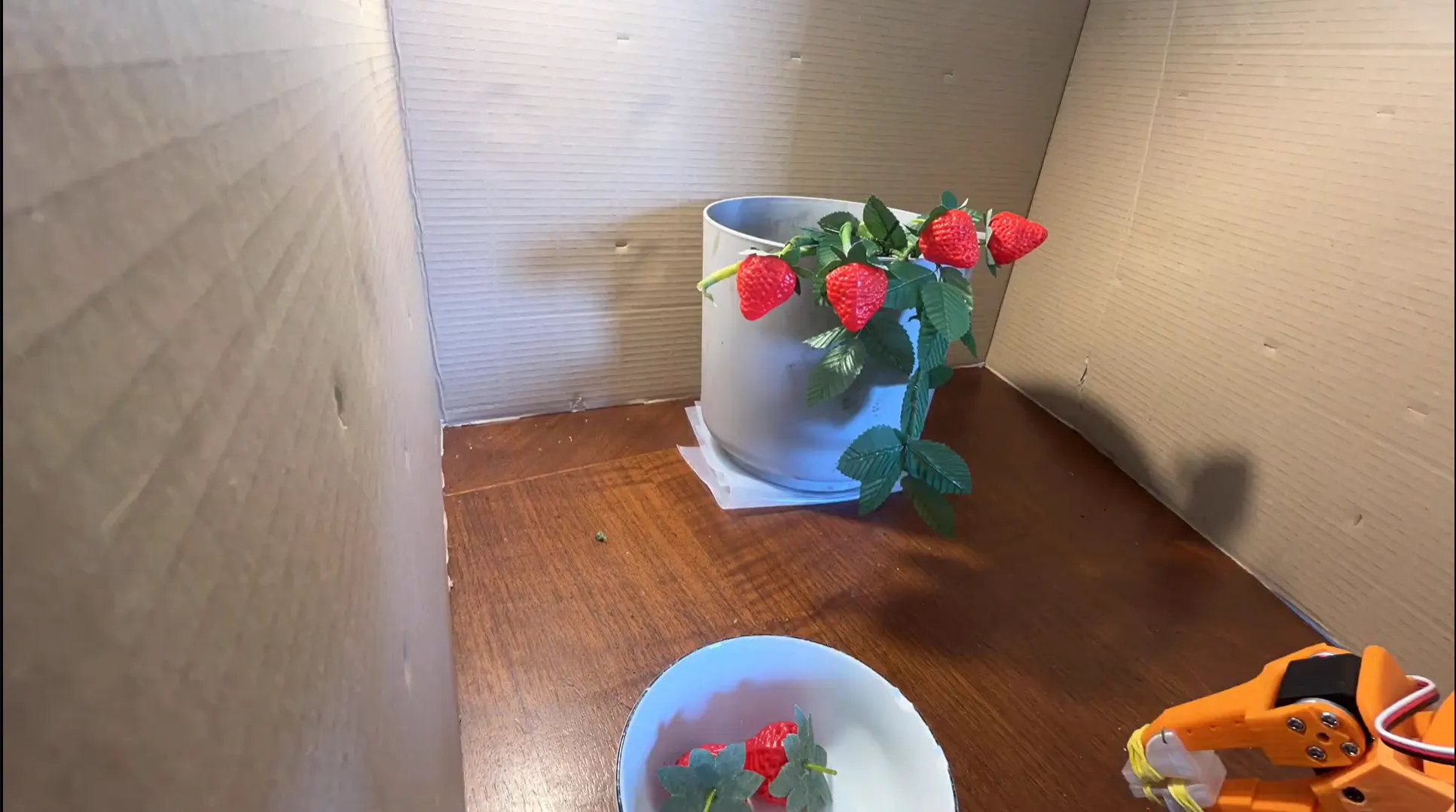
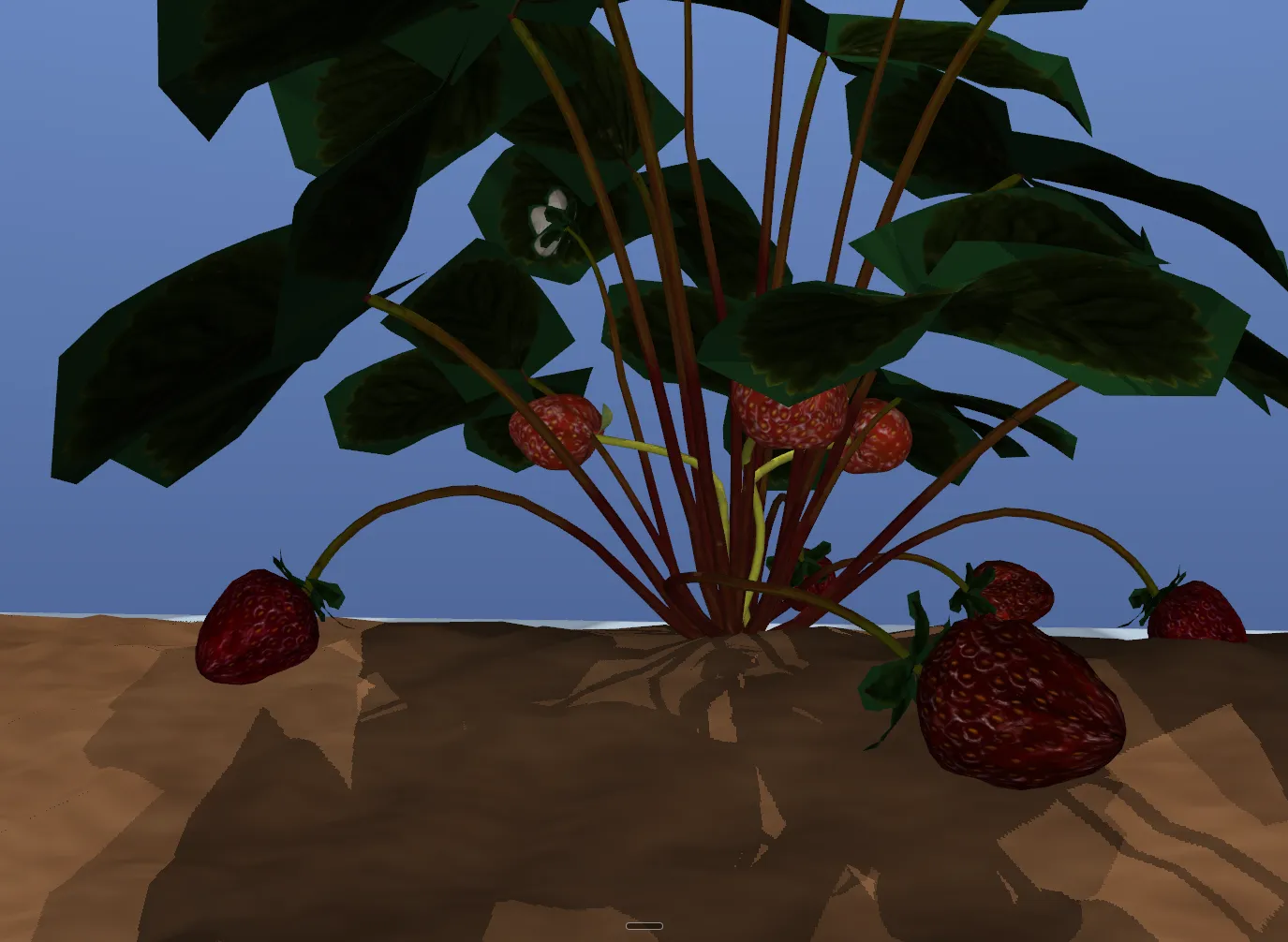
At Alpine Valley, I worked on autonomous berry harvesting with SO-101 robot arms, SmolVLA, teleoperation datasets, HG-DAGGER, MuJoCo/RL experiments, foundation stereo, and end-to-end VLA training. The application was strawberry picking, but the pivot was technical: modern robot foundation models need better interpretability, steerability, and validation before they can become reliable deployment systems.

  • Fine-tuned SmolVLA on roughly 450 episodes for a physical test setup
  • Demonstrated over 90% picking success on a fake-plant setup with silicon stems and plastic strawberries
  • Explored teleoperation, policy training, HG-DAGGER, RL/MuJoCo, and classical decomposition around the learned policy
  • Came away focused less on agriculture itself and more on steerable, reliable embodied AI
VLARobot LearningTeleoperationFounder in Residence
2026

VLA Interpretability for Strawberry Picking

Hugging Face technical blog

A supervision layer around a SmolVLA policy, built to make the rollout easier to inspect and steer.

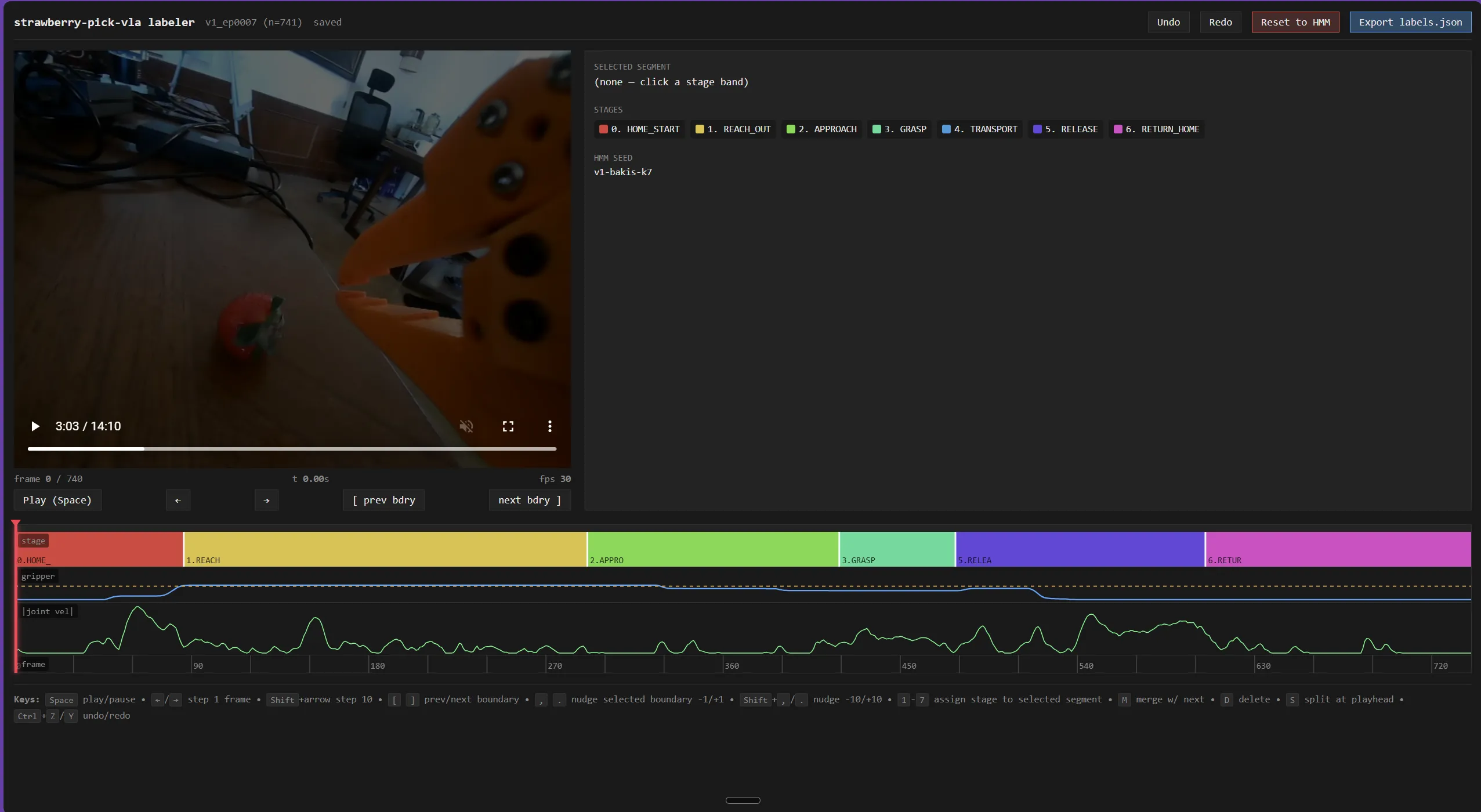
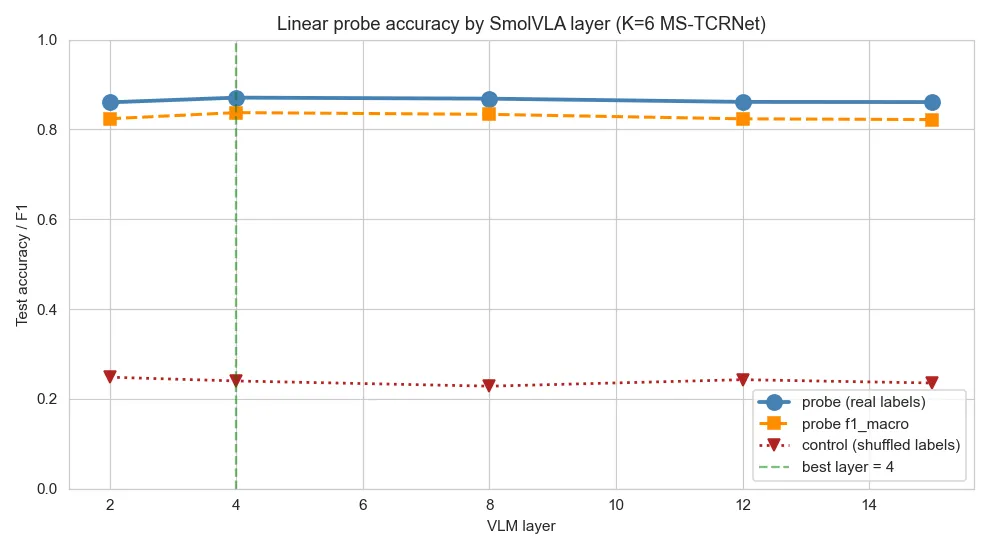
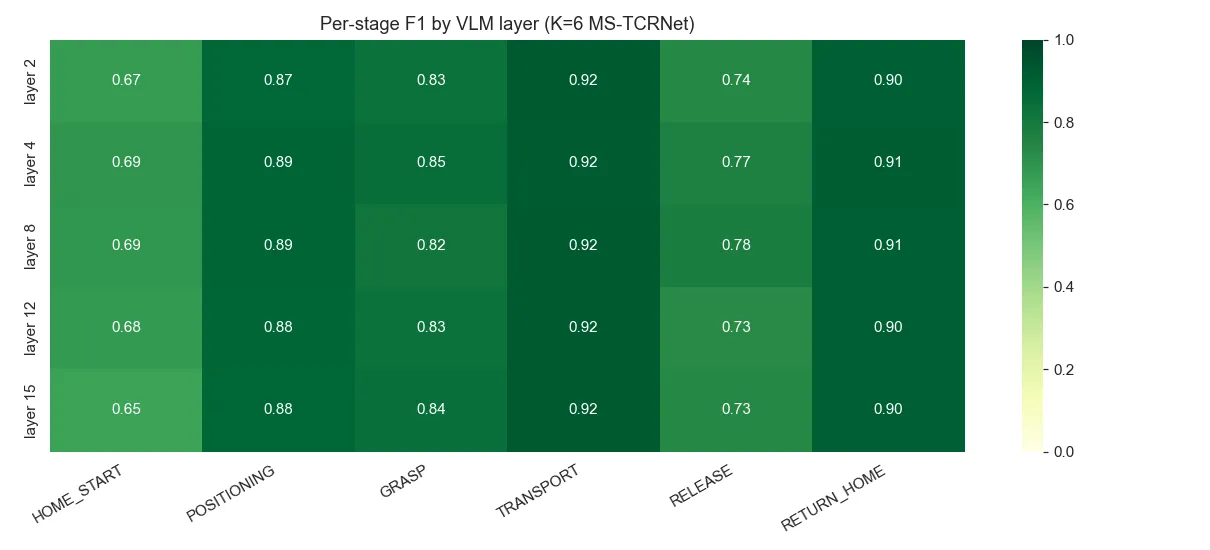
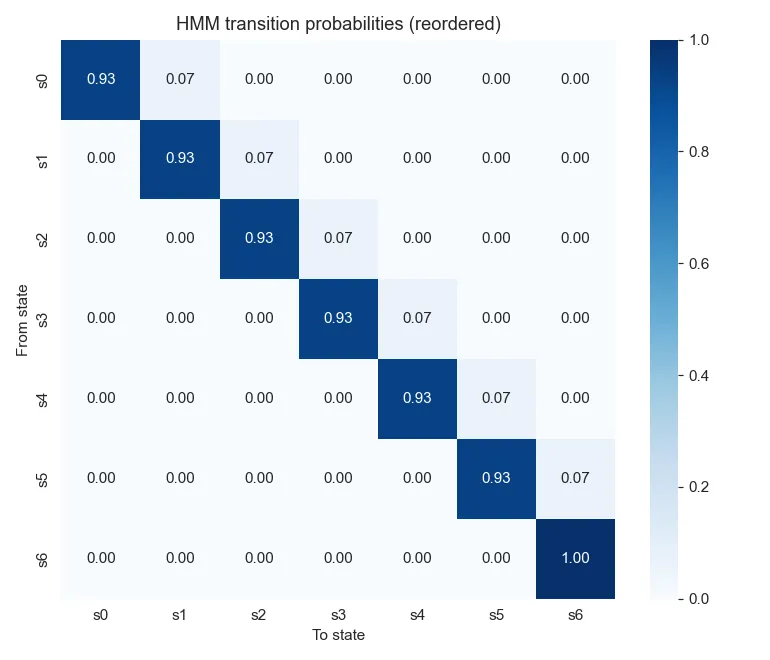
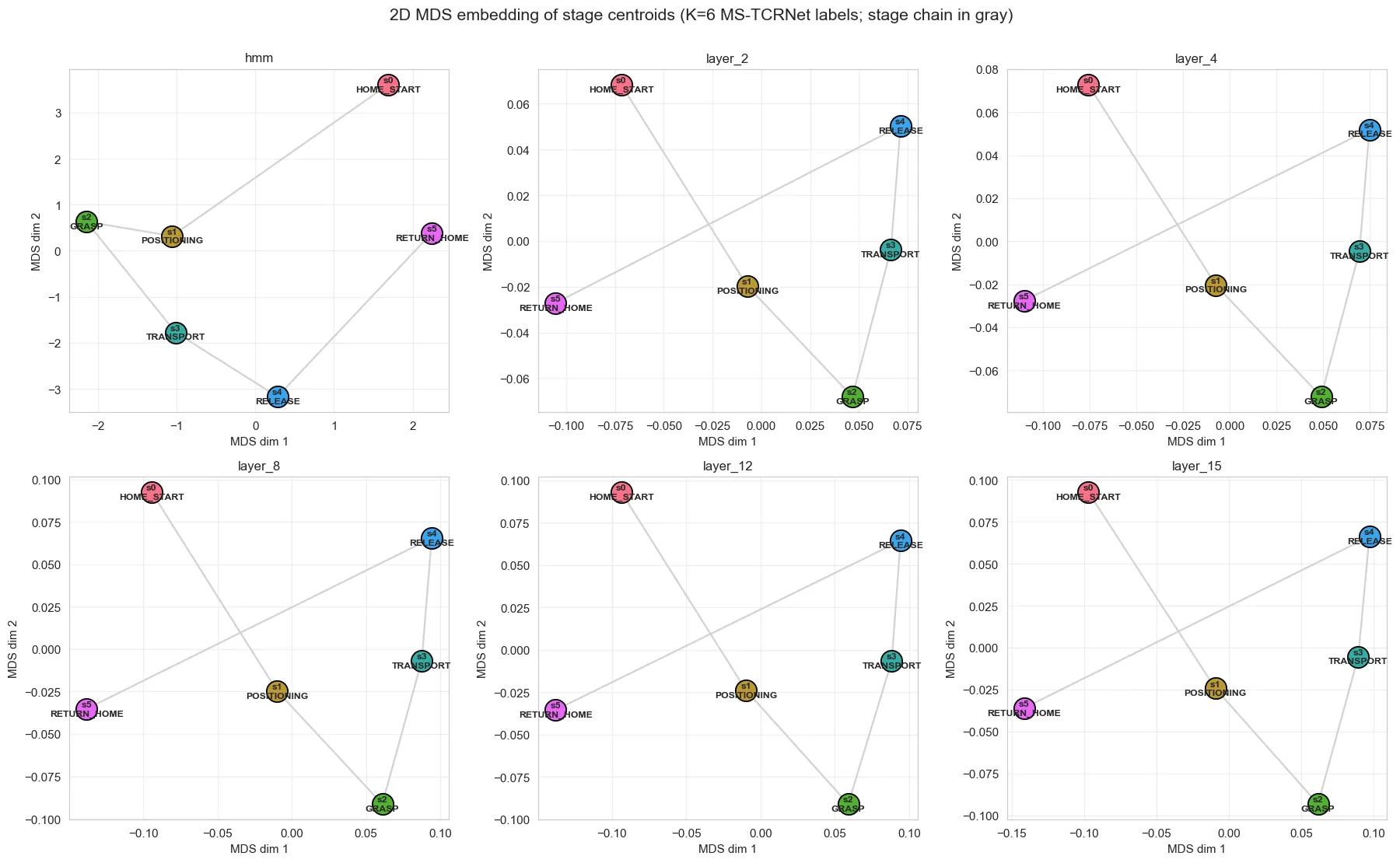
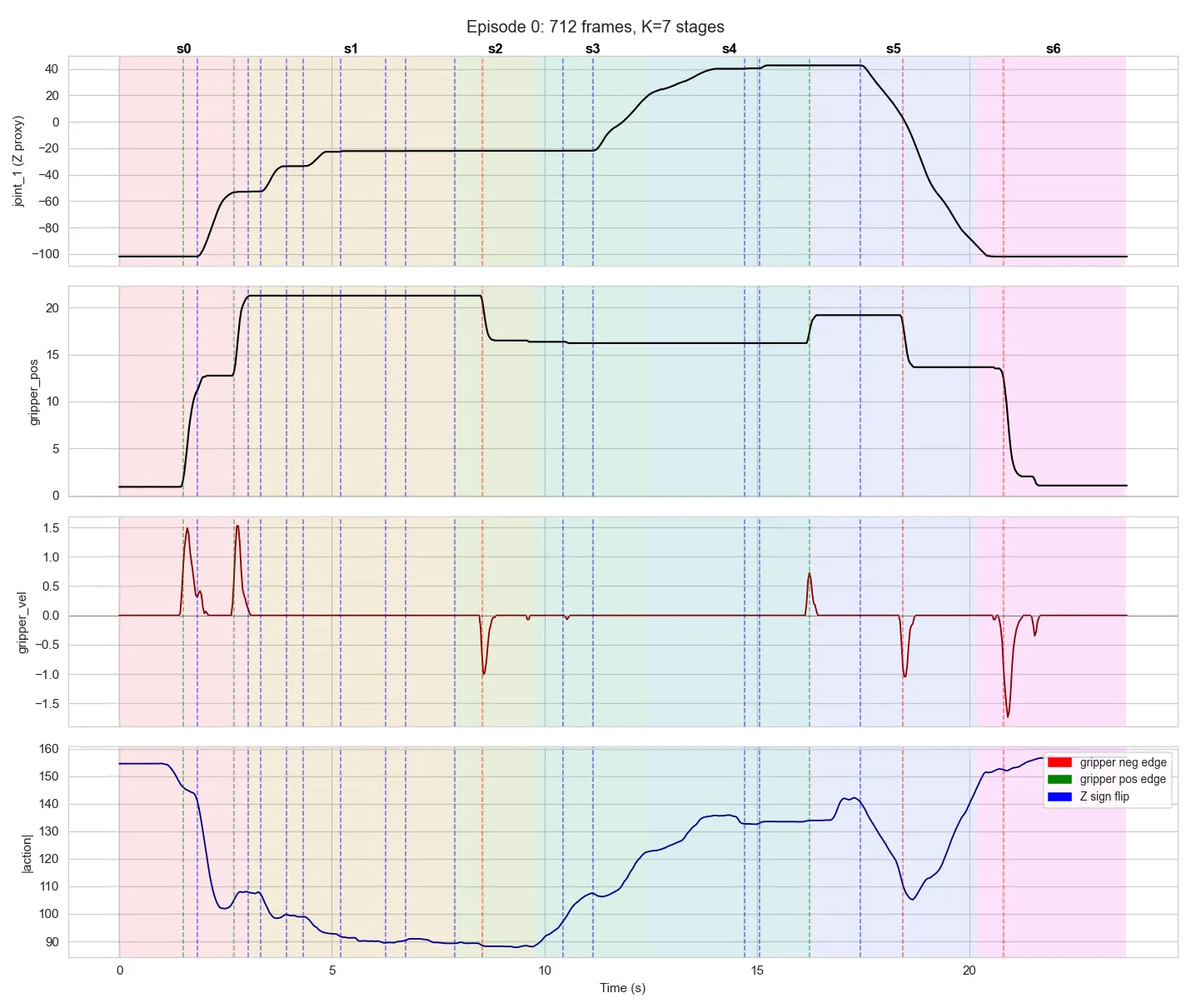
After the berry-harvesting work, I wrote up the interpretability layer: unsupervised stage discovery, a left-to-right HMM, Viterbi smoothing, VLA hidden-feature probing, and a live rollout HUD. The point was not only to make the policy understandable, but to search for handles that could eventually make black-box robot behavior more steerable.

  • Used task stages as an interpretable structure over a learned manipulation policy
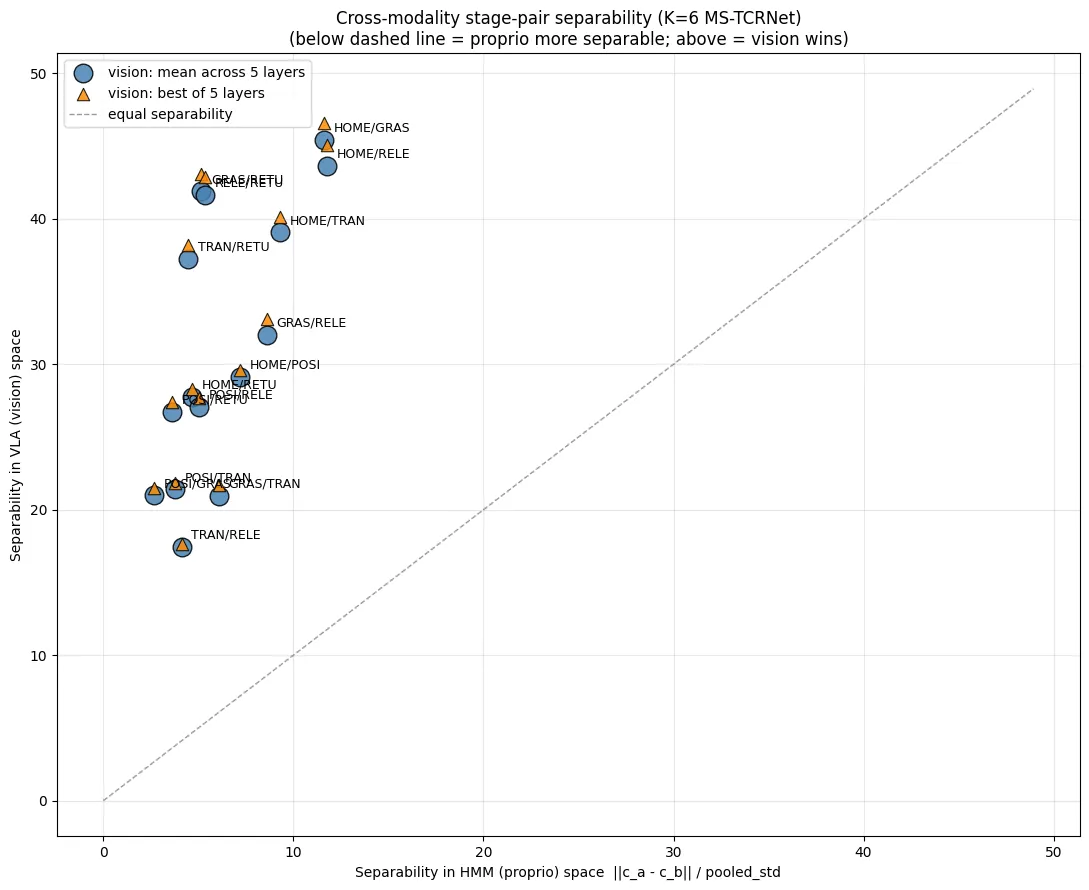
  • Compared runtime signals from proprioception and VLA hidden representations
  • Built the supervision layer as an observer first, not a controller
  • Framed metrics carefully as evidence for observability, not finished scientific proof
InterpretabilitySteerabilitySmolVLARobot Learning
Hugging Face LeLab Contributions cover
2026

Hugging Face LeLab Contributions

Open-source robotics tooling

My first serious open-source robotics contributions.

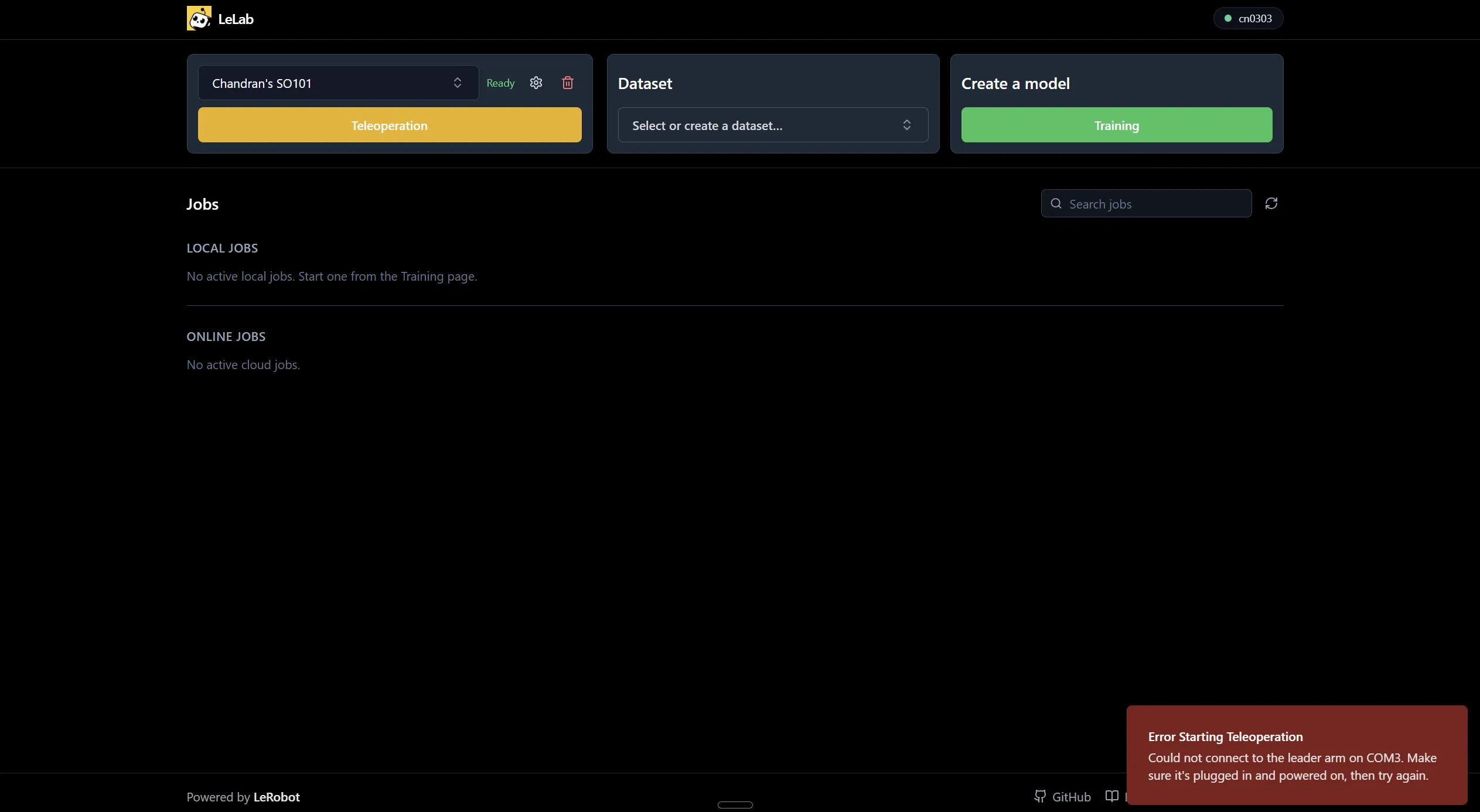
I have started contributing to LeLab, Hugging Face's browser UI around LeRobot workflows. The work spans bug fixes, features, setup, and usability improvements around robotics experimentation. I see this as part of the same thesis: if embodied AI is going to spread, the tooling has to make robots easier to configure, inspect, and iterate on.

  • Around six PRs merged, with more ongoing
  • Contributed to bug fixes, features, robot setup, and workflow usability
  • Open-source contribution, not employment or official affiliation with Hugging Face
  • A practical entry point into the tooling layer around embodied AI
Open SourceLeLabLeRobotRobotics Tooling
FitCheck cover
2026

FitCheck

Build Small Hackathon / Hugging Face Space

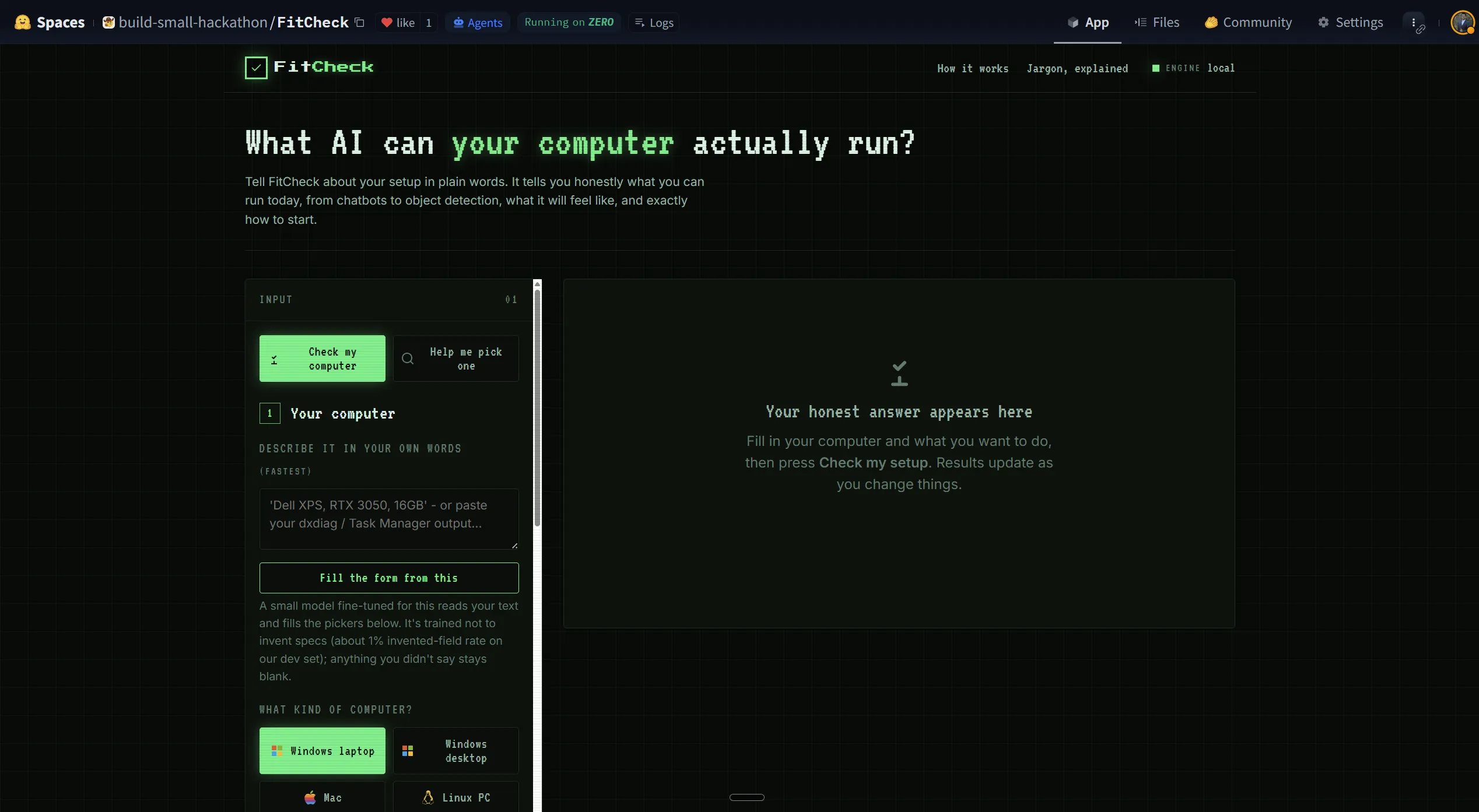
A hardware-understanding tool for deciding what AI workloads a machine can realistically run.

FitCheck came from the same instinct outside robotics: make complex systems easier to reason about. The project helps users connect a hardware setup to likely AI workloads, exposing memory, inference, quantization, and deployment constraints in a more approachable way.

  • Built a Hugging Face Space and technical writeup for the Build Small Hackathon
  • Focused on memory limits, inference constraints, quantization, and practical deployment tradeoffs
  • A non-robotics example of reducing cognitive friction around AI systems
HardwareAI DeploymentHugging Face SpaceTechnical Writing
Multi-LLM Interface for Supermarket Robots cover
2024-2025

Multi-LLM Interface for Supermarket Robots

TU Delft MSc Robotics / Frontiers

A hierarchical conversational interface for helping people interact with service robots.

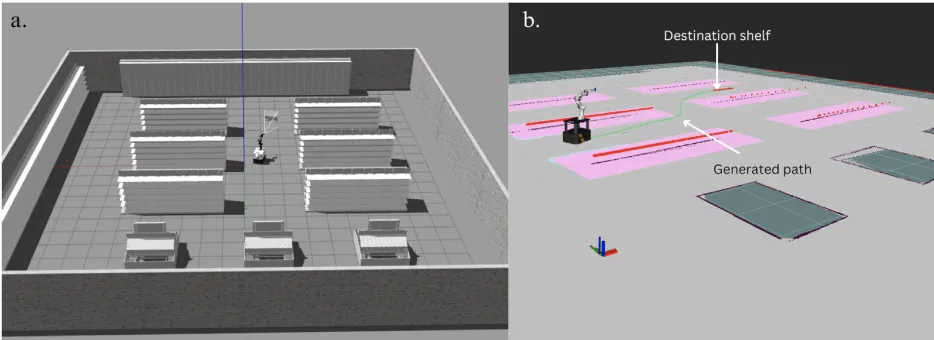
My master's work studied human-robot interaction through a multi-LLM conversational system for supermarket robots. It combined intent classification, retrieval-augmented generation, fine-tuning, speech interaction, and robot navigation integration. Looking back, it was an early version of the same question: how do humans supervise and communicate with robotic systems they cannot fully inspect?

  • Designed hierarchical routing between language models for different user intents
  • Combined RAG, fine-tuning, query classification, and spoken interaction
  • Connected language output to robot navigation and service-robot behavior
  • Published in Frontiers in Robotics and AI in 2025
HRILLMRAGService Robots
2025★ 1st place

Vision-Guided Pick-and-Place

FORGIS Physical AI Hackathon / Zurich

A fast prototype connecting vision, manipulation, calibration, and operator oversight.

At FORGIS, we built a vision-guided manipulation demo with a Dobot Nova 5: detect a pipe, pick it up, and place it into a box. We demoed it to Massimo Banzi, co-founder of Arduino. It was a compact example of the work I enjoy: build the perception-action loop, make the state legible, and get the robot to do the thing.

  • Trained an instance-segmentation model for pipe detection
  • Calibrated global-to-robot frame transforms for grasping
  • Executed grasp and placement behavior on a Dobot Nova 5
  • Demoed the final system live and won 1st place
ManipulationComputer VisionAR/XRRapid Prototyping
Hyrox AR Coach cover
2025

Hyrox AR Coach

Snap x 3EALITY Hackathon

An AR fitness prototype with a burpee counter, coaching flow, and final pitch.

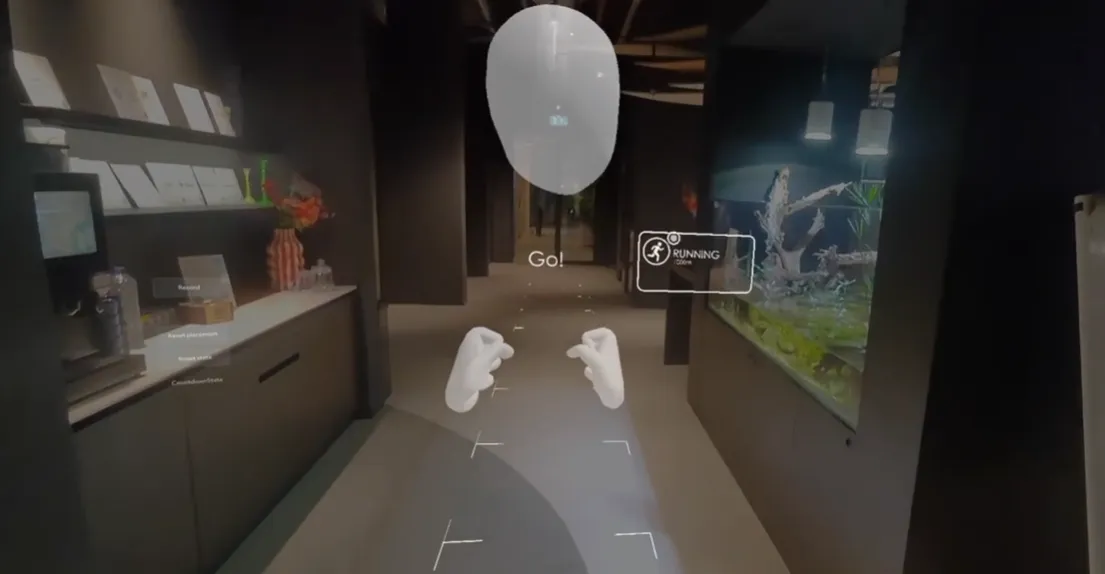
At the Snap x 3EALITY hackathon, I helped build an AR fitness prototype for Hyrox-style workouts. My main contribution was the burpee counter; I also worked with the team on the settings and product flow, then pitched the prototype at the end. It is supporting evidence rather than the center of my thesis: fast, camera-facing prototypes around feedback, embodiment, and human interaction.

  • Built the burpee counter for the AR workout flow
  • Contributed to settings and product flow with the team
  • Pitched the final prototype
  • A fast rep in camera-based interaction and human-facing feedback loops
AR/XRComputer VisionHuman-AI InteractionRapid Prototyping
Telosia Elderly-Care Robot cover
2025

Telosia Elderly-Care Robot

Junction Hackathon / Helsinki

A social robot prototype for elder-care assistance, built as a fast HRI proof of concept.

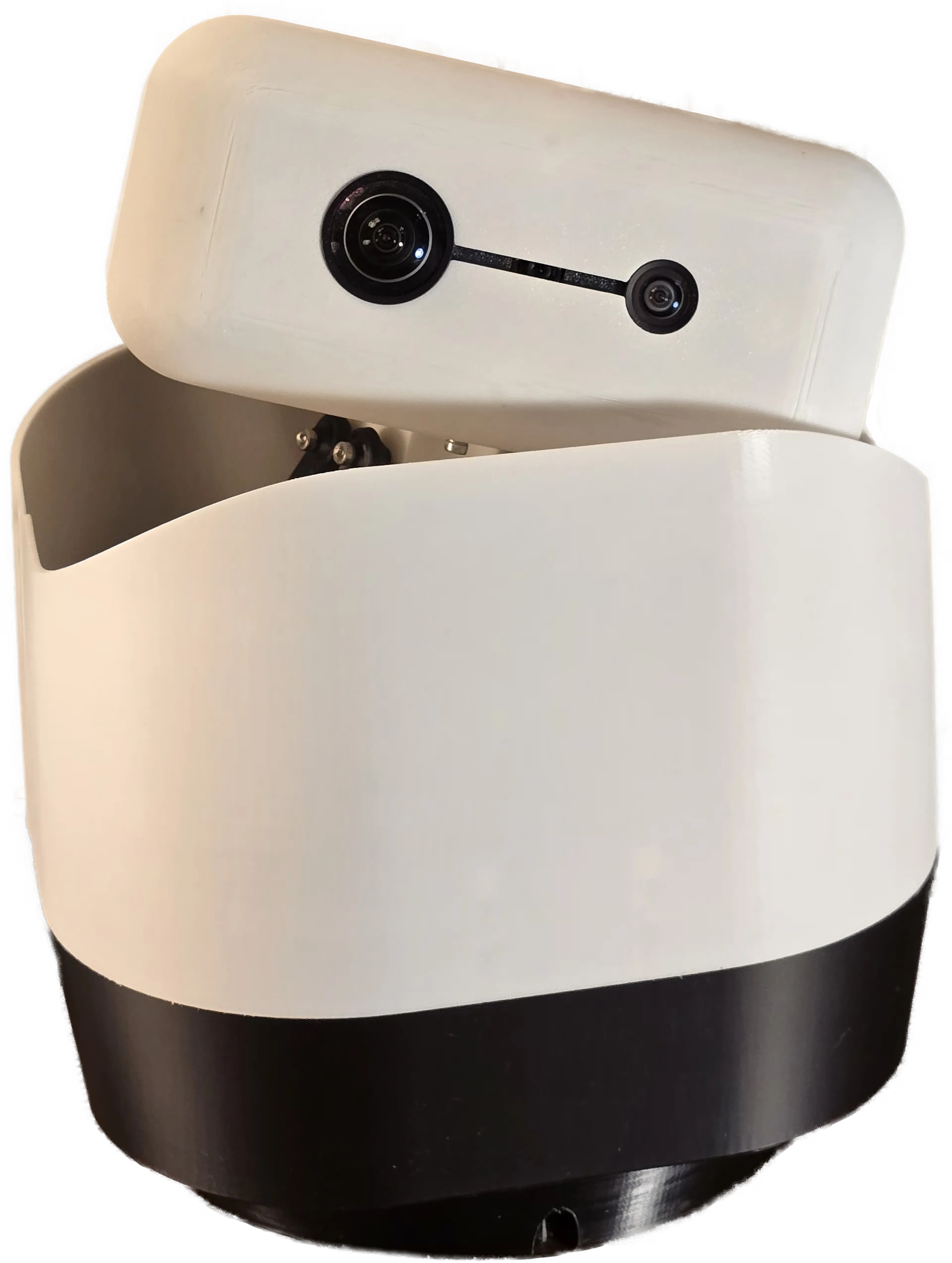
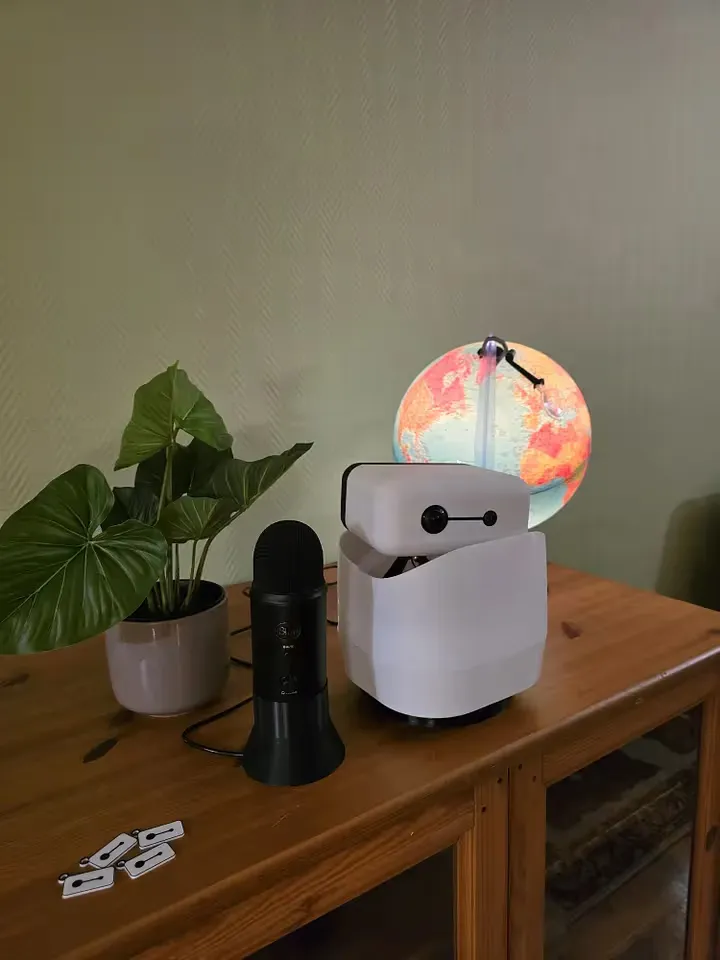
At Junction, I worked on an elderly-care robot concept and made the public project site. It belongs here as another rapid HRI prototype: taking a human problem, shaping the robot interaction, making the story legible, and getting a presentable demo together under hackathon constraints.

  • Built the public Telosia project site
  • Worked on the care-robot concept, pitch, and HRI framing with the team
  • Used the hackathon as a compressed test of robotics storytelling and prototyping
  • Part of the broader run of physical AI and human-robot interface projects
HRISocial RobotsRapid PrototypingRobotics
Unspool cover
2024

Unspool

Solo product / iOS + Android

A voice journaling app I designed, built, shipped, and got through both app stores myself.

Unspool was not a robotics project, and it did not become a huge consumer product. But it was important because I built the full thing end-to-end: voice capture, AI reflection, mood analysis, authentication, privacy, encryption, cloud sync, App Store review, and Play Store review. It proved I could take an idea all the way to a shipped product.

  • Designed and built the app single-handedly
  • Shipped across iOS and Android with under 100 early users
  • Combined voice capture, AI reflection, mood analysis, auth, and encrypted storage
  • Another expression of the same interest: AI interfaces that reduce cognitive friction
VoiceHuman-AI InteractionMobileProduct
Early Mechatronics Projects & Writing cover
2018-2022

Early Mechatronics Projects & Writing

Hackster / independent projects

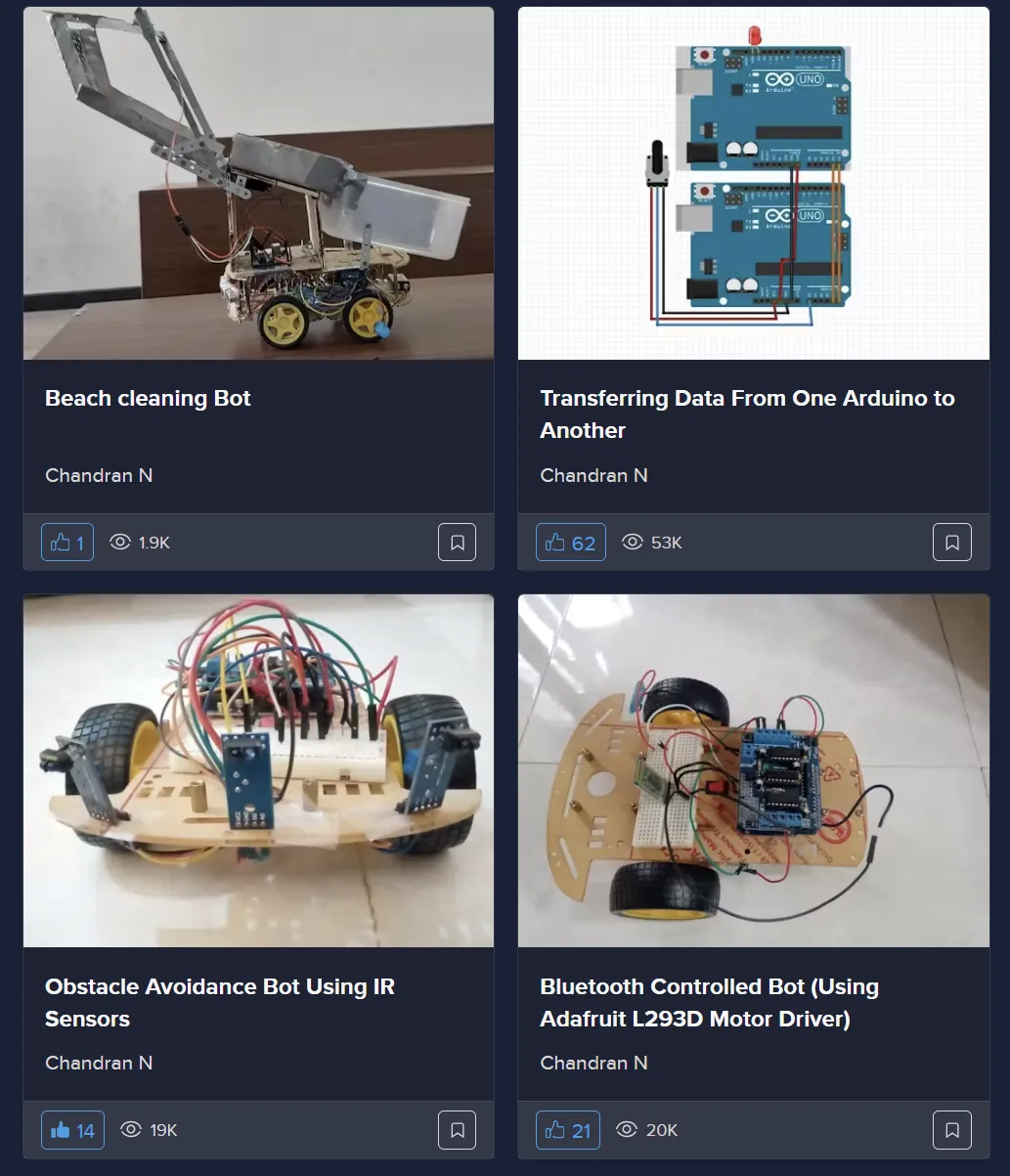
Early robotics and mechatronics projects that collectively crossed 100k+ views.

Before the current embodied-AI direction became clear, I spent a lot of time building and writing about robotics and mechatronics projects. Those early posts were scrappier, but they were also proof that I liked making technical work public and useful for other people.

  • Published early robotics and mechatronics projects on Hackster
  • Reached 100k+ cumulative views across the account
  • Built the habit of documenting technical work in public
MechatronicsTechnical WritingEarly Work